
Managerial Approaches: Uncovering the Differences Between Dominos' and Chevy's Executives
- gmpalmer3
- Jan 25, 2022
- 2 min read
Updated: Apr 24, 2022
Dominos and Chevy faced backlash a few years back after each company had to address the general public after the actions of each companies employees went viral on the Internet. In this blog post I am going to investigate how the executives and leaders from each company dealt with their own respective crisis, and how that impacted the ability of each company to respond swiftly and quickly to the controversy.

When considering the Chevy Guy Case, it serves as a great example of a company embracing what could’ve been a crisis, and spinning it into a well-known campaign by having timely and effective responses and understanding the value of social media. After employee, Rikk Wilde, delivered an awkward postgame description of Chevy’s new and improved Chevy Colorado at an MLB Finals game, Chevy responded swiftly by not taking the situation too seriously and standing behind their employee. Chevy recognized the potential for backlash following the postgame, so by joining in on the social media traffic and turning a hashtag into a successful campaign Chevy was able to strategically face this situation. Chevy also had a good understanding for how to sustain success for as long as possible but deliver its message in a subtle way. Chevy’s decision to air a commercial including the #TechnologyandStuff meme during major NBA games airing the following days shows that Chevy not only clearly understood their target audience/consumers, but they also knew where to go to reach them.
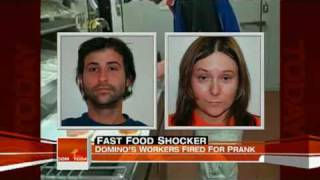
The Dominos case differed greatly from the Chevy case as Dominos seemed to be unprepared and not have a good understanding of the impact and timeliness of social media, which are two reasons that contributed to why this case was drawn out and in my opinion, relatively unsuccessful. Two Dominos' employees took a video of them mishandling food while working in the kitchen of Dominos' location; the video ended up on the Internet where it then went viral, forcing Dominos to address the incident. While there are a few notable strategic decisions within this case, such as Domino's top executive addressing the public via Youtube, I believe Dominos could’ve put this situation to rest earlier than they did if they had a better understanding of social media. While some argue that having Domino’s top executives address the public through a commonly used platform, Youtube, would reach their target audience it ultimately wasn’t enough. Domino’s social media platforms should’ve all reflected the same message, which during the week after the video was released was addressing customer quality and questions, but instead Domino’s ignored the situation on MySpace and other platforms which contributed to the backlash they received.
Both of these cases struck when social media and the Internet was on the rise, so a big difference between these two companies that proved to be crucial was each companies general understanding of social media platforms and how detrimental, yet valuable, they can prove to be. The response from leadership is also very contrasting, as Chevy supported and stood behind the employee who stumbled on his words, while Dominos' leaders went to the extent of pressing charges on their own employees and pointing much of the blame on the employees themselves.


Comments